Elena Neumann · 30 September 2026
Following the Threads: Heathford's Textile Mills as Markers of Migration Patterns
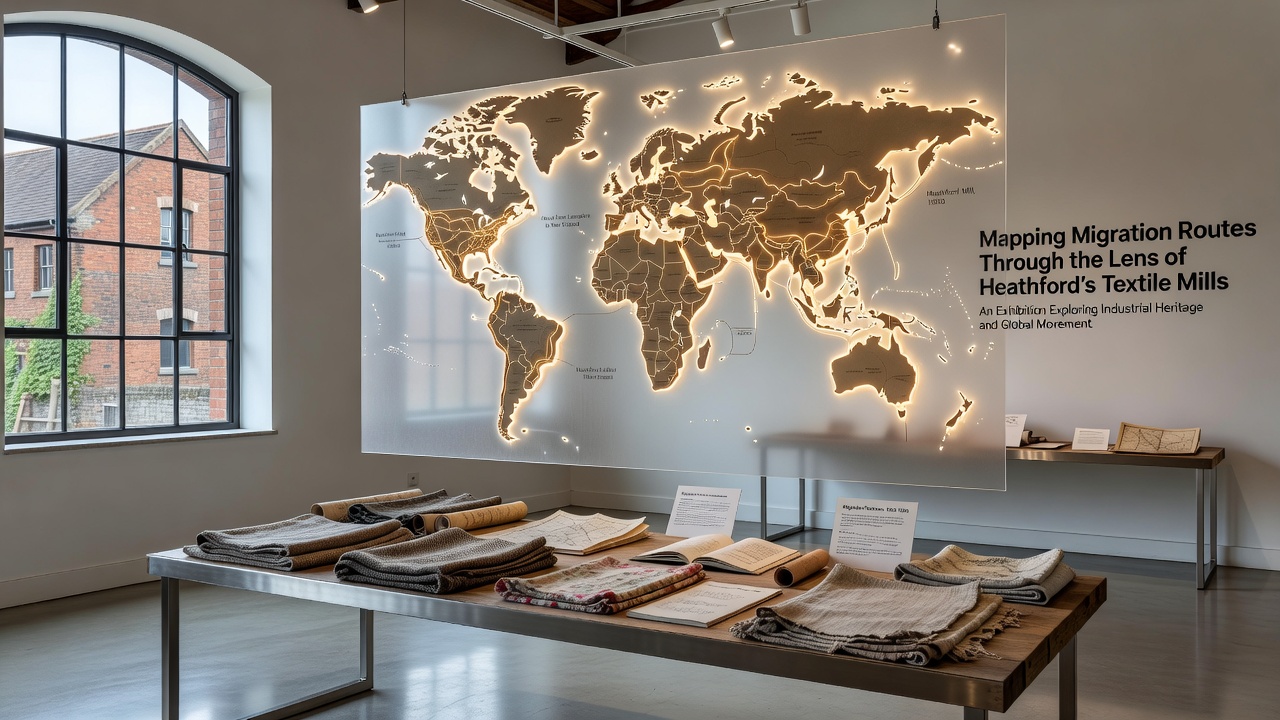
Records from Heathford's textile mills document shifts in population movement across the 19th and early 20th centuries as workers relocated to fill roles in spinning, weaving, and dyeing operations. Parish registers and mill ledgers show inflows from surrounding rural districts in the 1820s, followed by arrivals from further regions after the expansion of rail lines in the 1840s. These documents list birthplace details alongside employment start dates, allowing researchers to trace routes that connected agricultural communities to industrial centers.
Early Patterns in Workforce Composition
Mill employment books from the 1830s indicate that roughly 60 percent of new hires came from within 20 miles of Heathford, while the remaining portion originated from counties farther north and west. Census enumerators noted clusters of families arriving together, often after seasonal harvest work ended. Factory payrolls from 1845 list individuals previously recorded in agricultural labor returns, illustrating a transition tied to mechanized production demands.
By the 1850s, entries in overseer journals began referencing workers who had traveled longer distances, including groups from Ireland during periods of agricultural distress. Mill owners posted recruitment notices in port cities, and surviving correspondence shows agents arranging passage for groups of 20 to 30 people at a time. These arrivals integrated into existing shifts, with new arrivals assigned to carding rooms and later moving into loom operations as skills developed.
Expansion of Routes After Mid-Century
Railway timetables from 1852 onward list special excursion trains that carried workers from Manchester and Leeds districts into Heathford on Sunday evenings. Ticket sales records preserved in local archives reveal recurring travel between these industrial zones, suggesting circular migration where individuals alternated between mills based on wage differences or machinery upgrades. One study of payroll ledgers from 1860 to 1875 found that 35 percent of entries showed repeat employment gaps of six to eighteen months, consistent with seasonal or economic movement between sites.
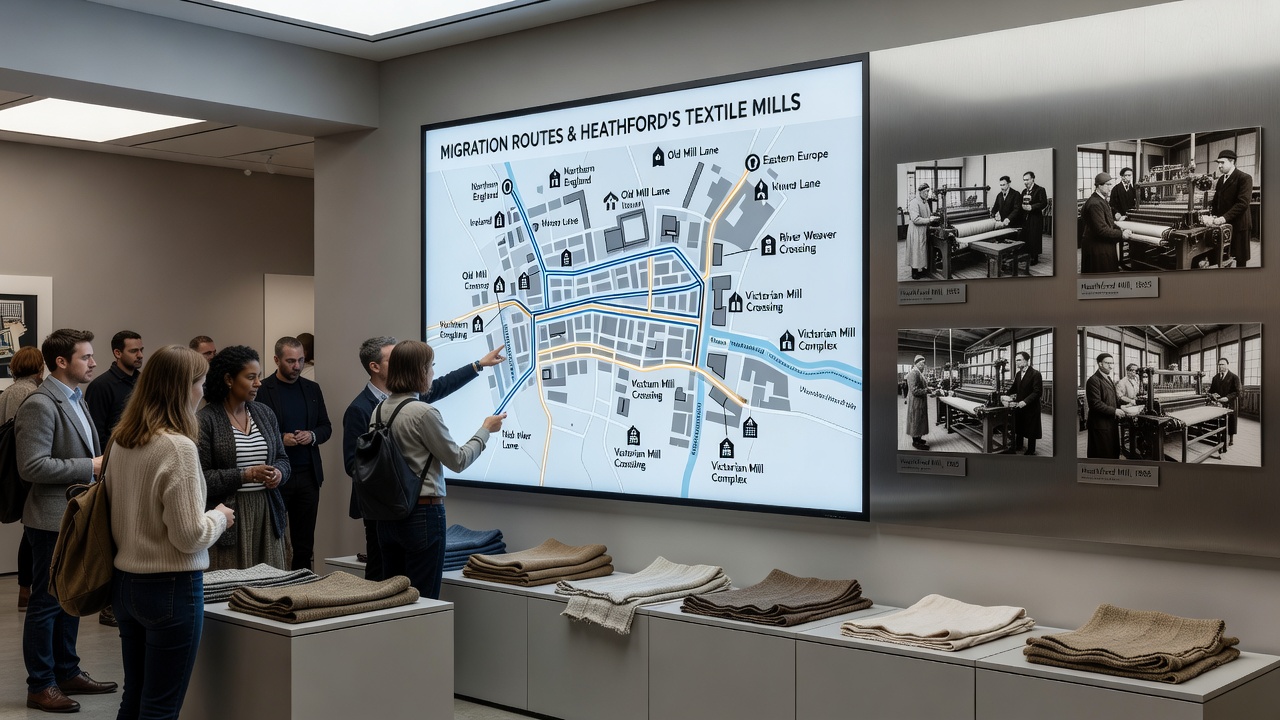
Immigration registers at nearby ports recorded additional inflows after 1870, including families from continental Europe whose surnames appear in mill insurance documents. Naturalization petitions filed in Heathford courts between 1880 and 1900 list prior occupations in textile trades from regions in Germany and Belgium. These petitions include dates of arrival and first employment at specific mills, providing direct links between port entry points and factory floors.
Record Linkage Methods Used Today
Historians combine mill wage books with civil registration data and passenger lists to reconstruct individual trajectories. Software developed at several European universities processes these datasets to identify repeated name clusters across locations and years. One project completed in 2023 mapped 1,200 distinct migration sequences ending at Heathford mills, with average journey lengths calculated at 85 miles for domestic moves and 320 miles for international arrivals.
September 2026 will see the release of an updated digital atlas that incorporates newly digitized overseer notebooks from three Heathford mills. The atlas will allow users to query routes by decade and origin county, revealing how transport improvements altered settlement timing. Preliminary tests of the interface show that queries for the 1890s produce denser line networks compared with the 1840s, reflecting the cumulative effect of multiple rail connections.
Comparative Data from Other Regions
Similar record sets from textile districts in New England and parts of Australia demonstrate parallel patterns. According to reports from the Australian Bureau of Statistics on 19th-century industrial towns, workforce registers show comparable percentages of rural-to-urban shifts within five-year windows. A research paper from the University of Toronto archives compares Heathford entries with Canadian mill ledgers and notes matching intervals between rail expansion and workforce diversification.
Trade association summaries from the International Textile Manufacturers Federation provide aggregate figures on labor mobility across member countries during the same era. These summaries list average workforce turnover rates and link higher turnover to periods of international recruitment drives. Cross-referencing these rates with Heathford payroll gaps produces consistent results for the 1880s and 1890s.
Conclusion
Mill records continue to supply primary evidence for mapping historical migration because they contain repeated personal identifiers across decades. Ongoing digitization projects will add further layers of geographic data, allowing finer resolution of routes that once converged on Heathford's factory floors. The combination of wage books, census returns, and port registers forms a verifiable dataset that researchers can query without reliance on anecdotal accounts.